
 Written by
A vendor of Land in NSW is generally under no duty to disclose future possibilities that may affect a property. However, a recent Supreme Court decision confirms that once a vendor or its agent chooses to speal on a subject, a statement that is literally true can still be misleading.
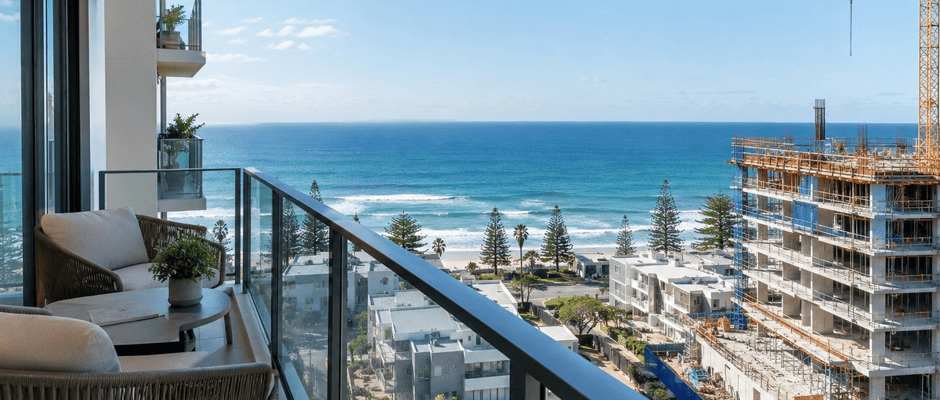
In Keci v Barnes [2026] NSWSC 521, the purchasers exchanged contracts in February 2026 to buy a Bronte home marketed with “sweeping ocean views” for $6.2 million. The adjoining site had consent for nine units, but the Minister had recently declared a proposal for up to 120 dwellings of up to nine storeys on that site to be State Significant Development. The vendors knew of the declaration and had discussed it with their agent.
During inspections, the purchasers asked about the construction next door. The agents told them that nine houses were being built and would not obstruct the ocean views. There was no mention of the larger proposal, which the purchasers later discovered on social media.
Williams J accepted that the statements were literally true. However, because the vendors were promoting the ocean views and the effect of development next door was obvious, a reasonable purchaser would have understood the agents to be conveying everything material known on the subject. By omitting the declaration, the agents impliedly represented that the vendors knew of no facts creating a risk to the views.
It did not matter that the proposal might never proceed, as the risk was real rather than speculative. The Court also rejected the argument that the statements were made in casual conversation, and held that the contract’s “entire agreement” and “no reliance” clauses did not displace their inducing effect. The contract was rescinded and the vendors were ordered to refund the $310,000 deposit.
Ultimately, the decision illustrates the distinction the courts draw between a vendor’s lawful silence and a partial answer that omits known risks.

